
Understanding Land Development Costs and Land Preparation Expenses
Updated: Feb 19

When you're thinking about building a new home or starting a commercial project, one of the first things you’ll encounter is the cost of preparing the land. It’s not just about buying a piece of property and breaking ground. There’s a lot that goes into making land ready for construction, and understanding these expenses can save you time, money, and headaches down the road.
In this post, I’ll walk you through the key aspects of land preparation expenses, what influences them, and how to plan your budget wisely. Whether you’re a homeowner or a business owner in Orange County, this guide will help you get a clearer picture of what to expect.
What Are Land Preparation Expenses?
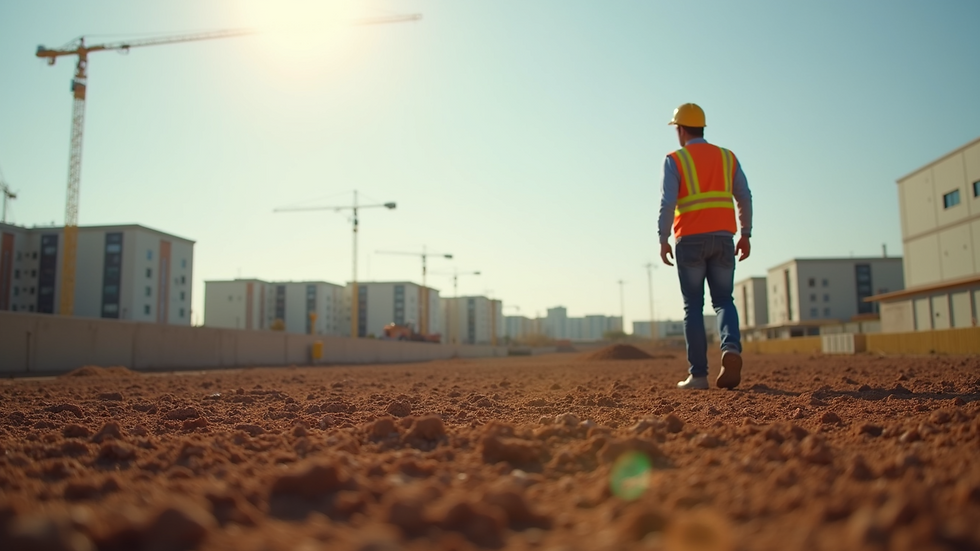
Land preparation expenses cover all the work needed to get a plot of land ready for building. This includes clearing, grading, excavation, and installing essential infrastructure like roads, utilities, and drainage systems. These steps are crucial because they ensure your construction site is safe, stable, and compliant with local regulations.
Here are some common components of land preparation expenses:
Clearing and Grading: Removing trees, rocks, and debris, then leveling the land.
Excavation: Digging foundations, trenches for utilities, or basements.
Soil Testing and Improvement: Checking soil quality and making adjustments if needed.
Utility Installation: Bringing in water, electricity, gas, and sewage connections.
Road and Driveway Construction: Building access points to the property.
Drainage Systems: Preventing water accumulation and erosion.
Each of these tasks requires specialized equipment and skilled labor, which can add up quickly. For example, clearing a heavily wooded lot will cost more than preparing a flat, open field.

Factors That Influence Land Preparation Expenses
Not all land is created equal, and neither are the costs to prepare it. Several factors can influence how much you’ll spend:
1. Size and Shape of the Land
Larger plots naturally require more work. Oddly shaped lots might need extra grading or retaining walls to make them buildable.
2. Topography
Hilly or uneven terrain often means more grading and excavation. Flat land is usually cheaper to prepare.
3. Soil Conditions
Poor soil quality can require additional work like soil stabilization or importing better soil. Rocky or clay-heavy soil can increase excavation costs.
4. Vegetation
Dense trees and brush need to be cleared, which adds to the cost. Protected trees or environmental restrictions can also complicate the process.
5. Access to Utilities
If your land is far from existing utility lines, extending those services can be expensive. Sometimes, you might need to install a septic system or well if municipal services aren’t available.
6. Local Regulations and Permits
Different cities and counties have varying rules about land development. Permits, inspections, and environmental studies can add time and money to your project.
7. Weather and Seasonal Factors
Certain times of the year might slow down work or require special equipment, especially in wet or rainy seasons.
Understanding these factors helps you anticipate potential challenges and avoid surprises.
How much will a developer pay for land?
If you’re curious about what a developer might pay for land, it’s important to remember that the purchase price is just one part of the equation. Developers look at the total cost of turning raw land into a buildable site, including all the land preparation expenses.
Developers often calculate the land acquisition cost plus the estimated cost of preparing the land and building infrastructure. They also factor in market demand, zoning restrictions, and potential resale value.
For example, a developer might pay $500,000 for a 2-acre lot but expect to spend another $200,000 on clearing, grading, and utility installation. This means the total investment before construction could be $700,000 or more.
Developers also consider the timeline. If land preparation takes longer than expected, carrying costs like loans and taxes increase, which affects how much they’re willing to pay upfront.
If you’re selling land or negotiating with a developer, understanding these numbers can give you an edge.
Practical Tips to Manage Land Preparation Expenses
Managing land preparation expenses doesn’t have to be overwhelming. Here are some practical tips to keep costs under control:
1. Get a Detailed Site Assessment
Before buying or starting work, hire a professional to assess the land. This includes soil tests, topography surveys, and environmental checks. Knowing what you’re dealing with helps you budget accurately.
2. Work with Experienced Contractors
Choose contractors who know the local area and regulations. Experienced teams can spot potential issues early and suggest cost-effective solutions.
3. Plan for Utilities Early
Contact utility companies to understand what’s involved in connecting your site. Sometimes, coordinating utility installation with other site work can save money.
4. Consider Phased Development
If your budget is tight, consider developing the land in phases. Start with essential preparation and add infrastructure as funds allow.
5. Explore Financing Options
Some lenders offer loans specifically for land development. These can help spread out costs and make the project more manageable.
6. Stay Informed About Local Regulations
Keep up with zoning laws, permit requirements, and environmental rules. Non-compliance can lead to fines or costly rework.
7. Budget for Contingencies
Unexpected issues always come up. Set aside at least 10-15% of your budget for surprises.
By following these tips, you can reduce risks and keep your project on track.
Why Understanding Land Development Costs Matters
Understanding the full scope of land preparation expenses is crucial for making smart decisions. It helps you:
Avoid Budget Overruns: Knowing what to expect prevents unpleasant surprises.
Make Informed Purchases: You can evaluate if a property is worth the investment.
Plan Your Timeline: Realistic schedules reduce stress and delays.
Negotiate Better Deals: Whether buying land or hiring contractors, knowledge is power.
Ensure Compliance: Proper preparation keeps your project legal and safe.
If you want to dive deeper into the specifics, check out this detailed guide on land development cost for more insights.
Moving Forward with Confidence
Preparing land for construction is a big step, but it doesn’t have to be confusing or intimidating. With the right information and support, you can navigate the process smoothly.
If you’re in Orange County and ready to start your project, partnering with a trusted construction management group can make all the difference. They bring expertise, local knowledge, and a commitment to delivering projects on time and within budget.
Remember, every successful build starts with solid groundwork. Understanding land preparation expenses is your first step toward turning your vision into reality.


Comments